
Join us as we Move for More this October in support of Suicide Prevention Australia. Find out more at Aurora Move for More
Join us as we Move for More this October in support of Suicide Prevention Australia. Find out more at Aurora Move for More
When most people think about dementia, they often associate it with older age. However, dementia can also affect people in their 30s, 40s and 50s, often during some of the busiest and most productive years of their lives.
Known as younger onset dementia, this condition presents unique challenges for individuals, families and carers. It can affect careers, relationships, finances and future plans, while often taking years to diagnose.
During Dementia Action Week, we're shining a light on younger onset dementia and the importance of recognising the early signs, listening to concerns and seeking support sooner rather than later.
Younger onset dementia refers to dementia diagnosed before the age of 65. While Alzheimer's disease is the most common cause, there are a number of other conditions that can lead to dementia, including frontotemporal dementia, vascular dementia and Lewy body disease.
Although it is less common than dementia diagnosed later in life, thousands of Australians are currently living with younger onset dementia. Importantly, symptoms often look very different from what many people expect.
One of the challenges with younger onset dementia is that the symptoms can be mistaken for stress, burnout, anxiety, depression or other life pressures.
For many people, the first signs appear gradually. Tasks that once came naturally may become harder to manage. Information may become more difficult to retain, appointments may be missed, and decision-making can become increasingly challenging.
Other changes can include:
Because these symptoms are often attributed to busy lifestyles or work-related stress, younger onset dementia can sometimes go unrecognised for several years.
“When you hear that someone is struggling with their cognition listen early, believe the change, and stay alongside them. A timely diagnosis can make an enormous difference to modifying the disease.”
- Dr Penny King
For many families, the journey to diagnosis can be lengthy and uncertain.
Often, family members are the first to notice subtle changes in behaviour, personality, problem-solving abilities or memory. They may observe things that the person themselves does not recognise or may find difficult to explain.
Listening to these concerns and investigating them further can be an important step towards understanding what is happening and accessing appropriate support.
Receiving a diagnosis of younger onset dementia can be overwhelming. It is natural for individuals and families to experience fear, uncertainty and grief as they come to terms with what the future may hold.
However, a diagnosis can also provide clarity.
It can end the uncertainty of not knowing why changes are occurring and create opportunities to access support, explore treatment options, plan for the future and make informed decisions.
Rather than focusing solely on what may change over time, many people find comfort in identifying what remains possible and what can be done to support quality of life.
While there is currently no cure for dementia, there are many ways to support brain health, wellbeing and independence.
Strategies may include:
These approaches can help people remain engaged in meaningful activities, maintain independence for longer and continue enjoying fulfilling lives.
Dementia Action Week provides an opportunity to challenge misconceptions, reduce stigma and encourage conversations about dementia.
The earlier changes are recognised, the sooner people can access assessment, support, education and treatment options. Early diagnosis can make a significant difference to future planning, quality of life and wellbeing for both individuals and their families.
Importantly, dementia affects more than one person. It affects partners, children, parents, friends and carers. Building dementia-friendly communities and fostering greater understanding can help ensure nobody navigates the journey alone.
If you or someone you care about is experiencing ongoing changes in memory, thinking, behaviour, judgement or day-to-day functioning, it is important to speak with a healthcare professional.
While these symptoms may have causes other than dementia, early assessment can help identify what is happening and ensure appropriate support is available.
When it comes to younger onset dementia, recognising the signs and starting the conversation early can make all the difference.
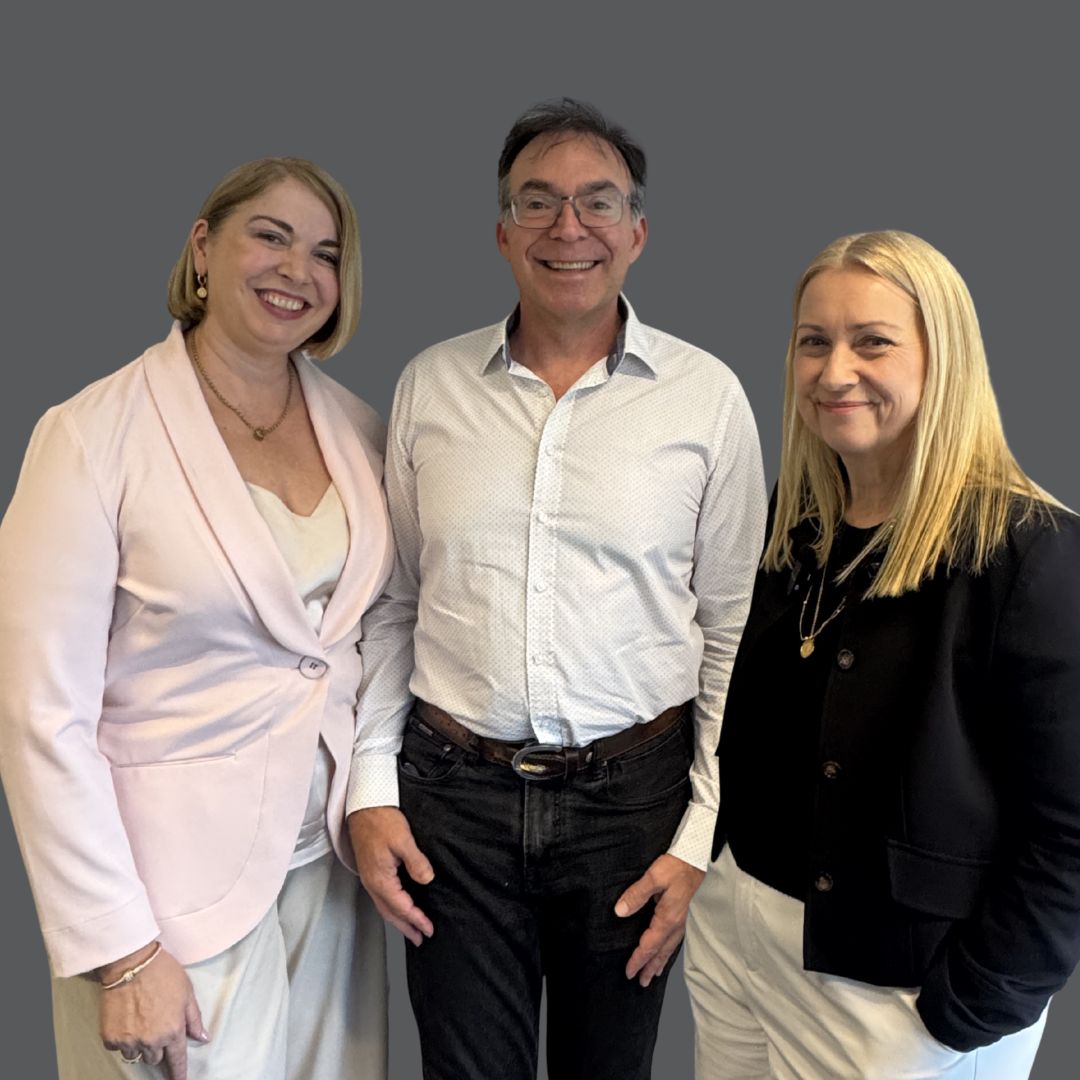
The earlier memory concerns are assessed, the sooner you can access answers, support and strategies to help maintain quality of life and independence.
The Robina Private Hospital Memory Clinic provides comprehensive assessment, diagnosis and management of memory and cognitive disorders, with personalised care and access to a range of supportive programs and services.
Contact us on our details below or click through for more information.
P: 07 5665 5155 | E: privatepracticerobina@aurorahealth.com.au