Join us as we Move for More this October in support of Suicide Prevention Australia. Find out more at Aurora Move for More
Author
Summary
Robina Private Hospital clinicians Melissa Marks, Dr Kim Hurst, Dr Vinay Garbharran and Dr Aimee Maxwell are helping shape the future of eating disorder care through published research in innovative art therapy approaches.
Patient Artworks
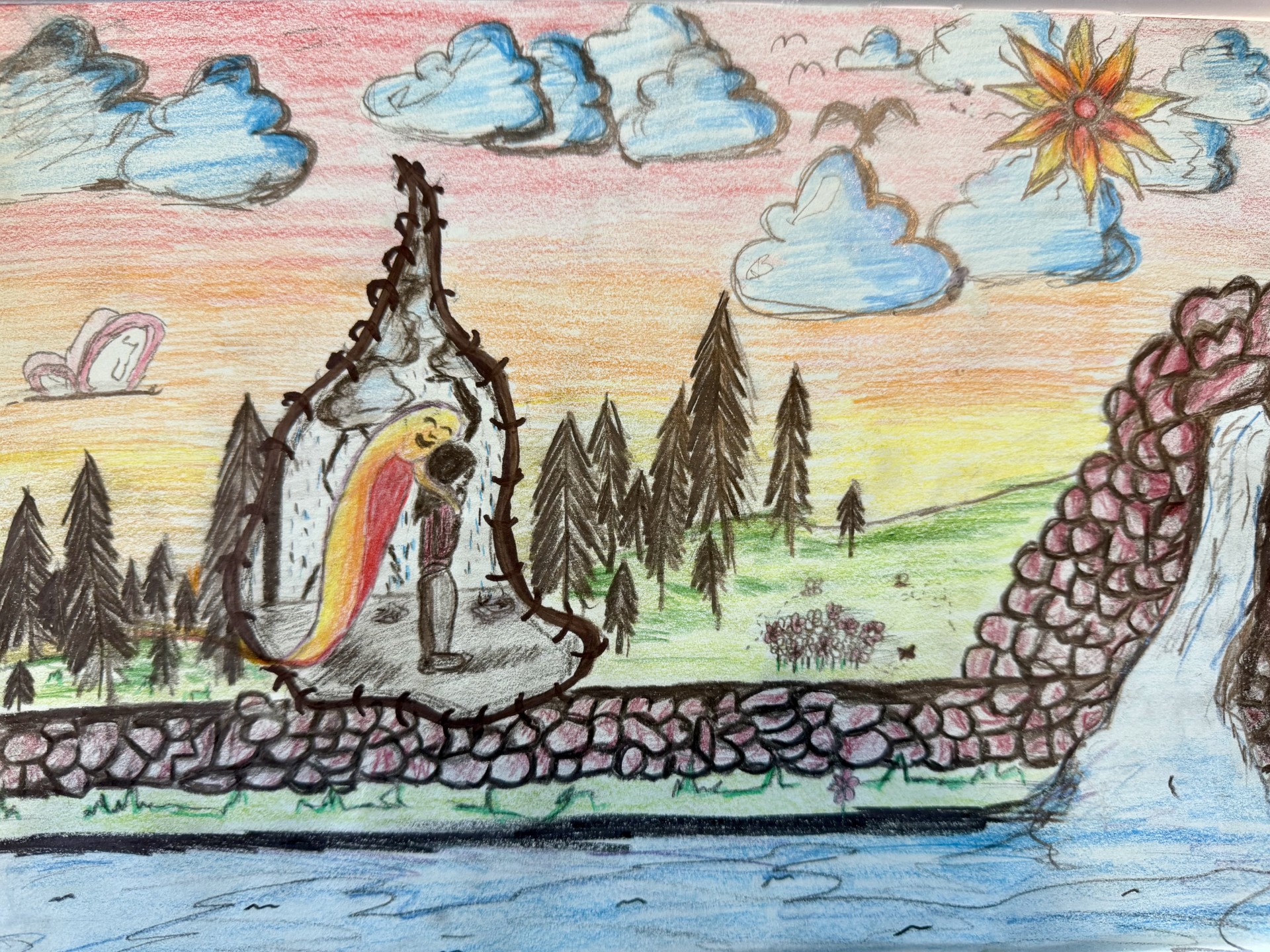
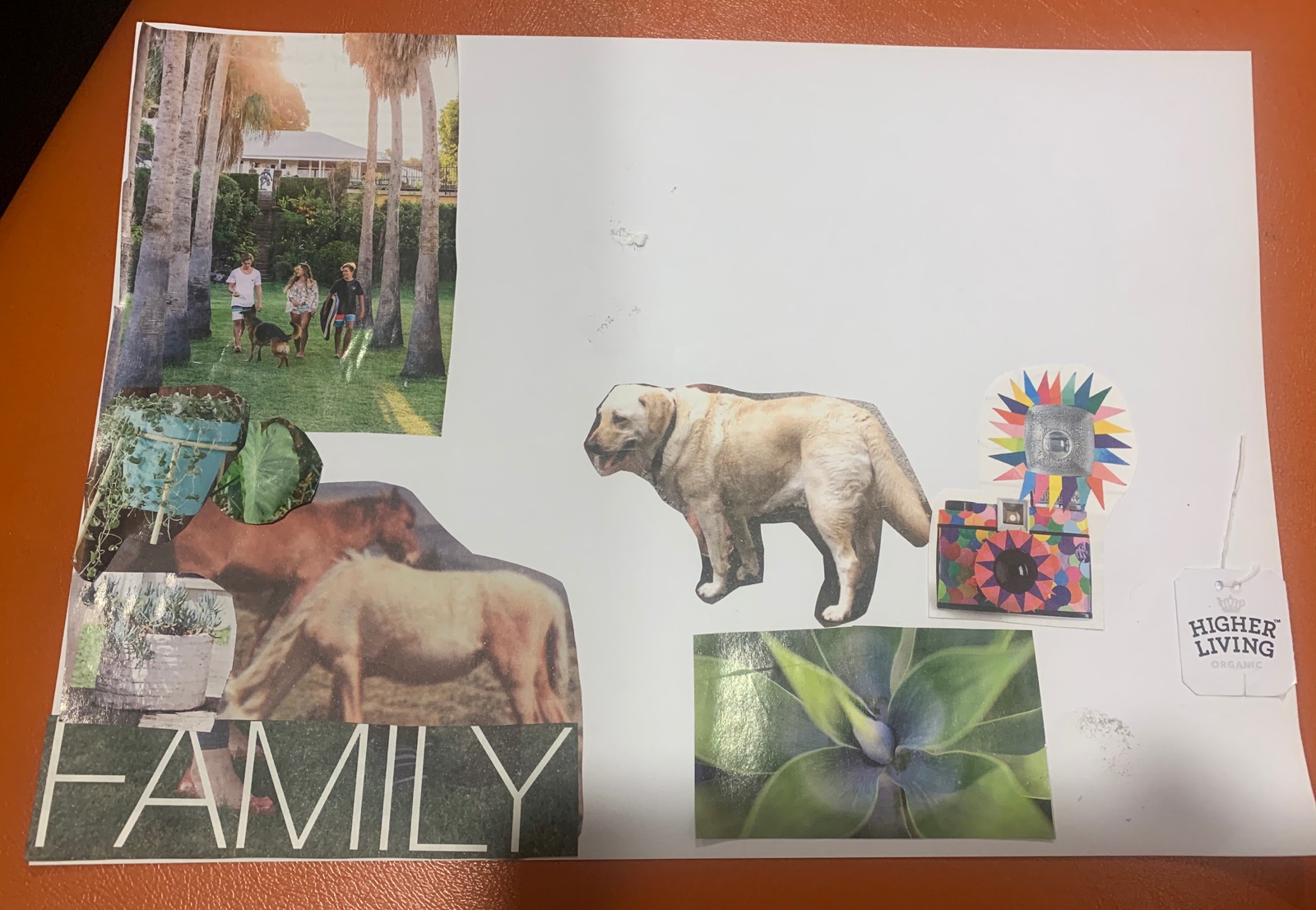
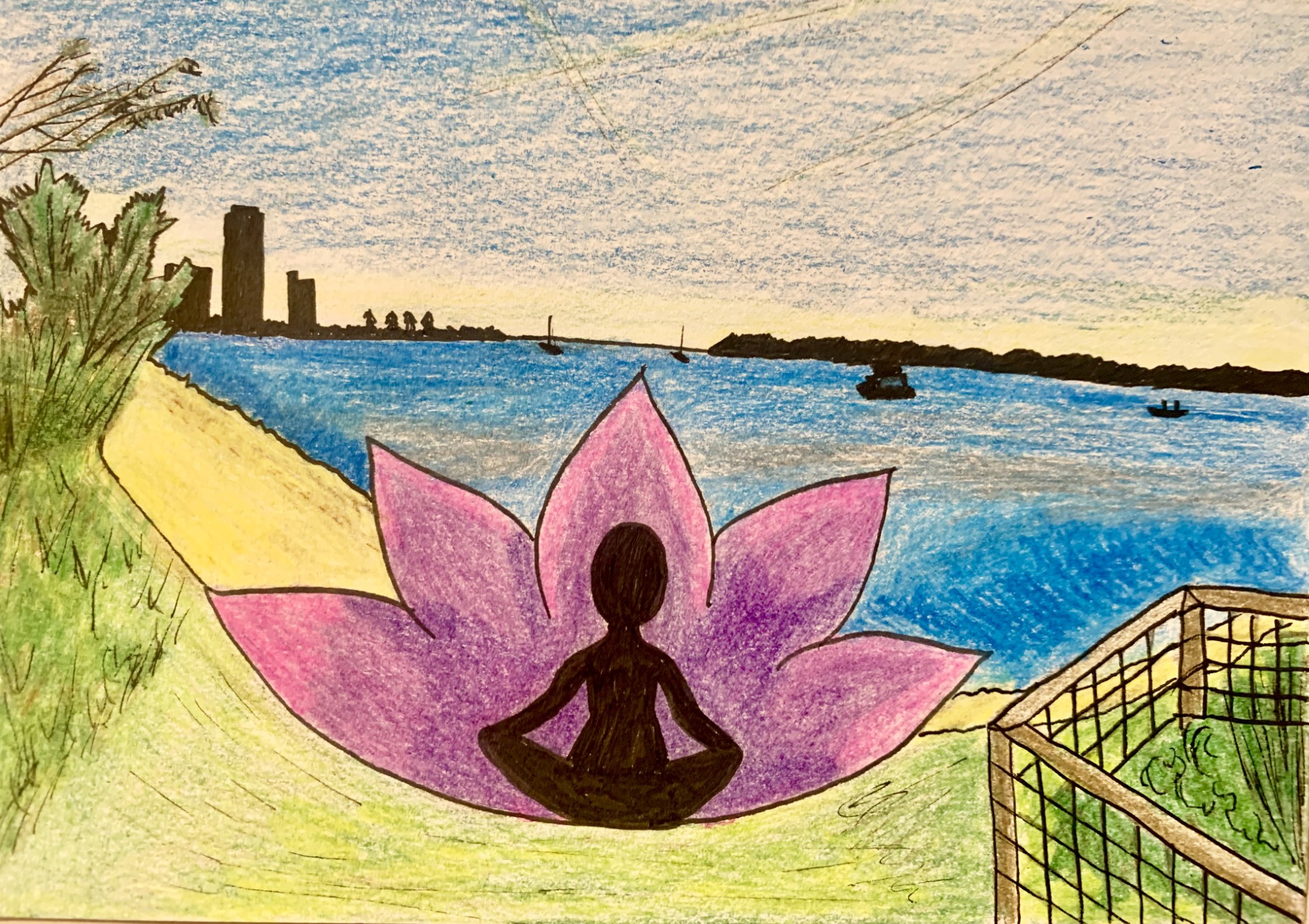
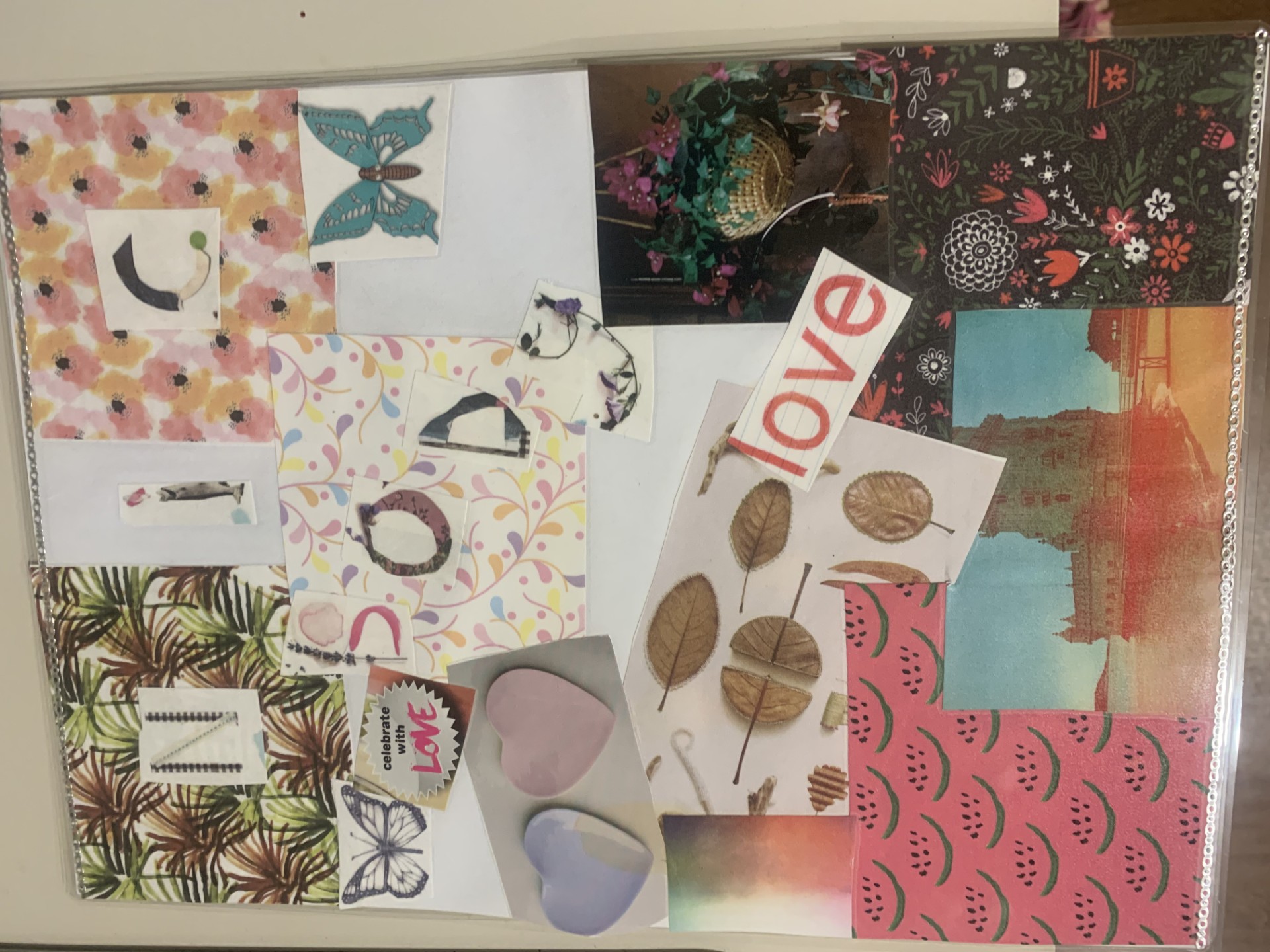
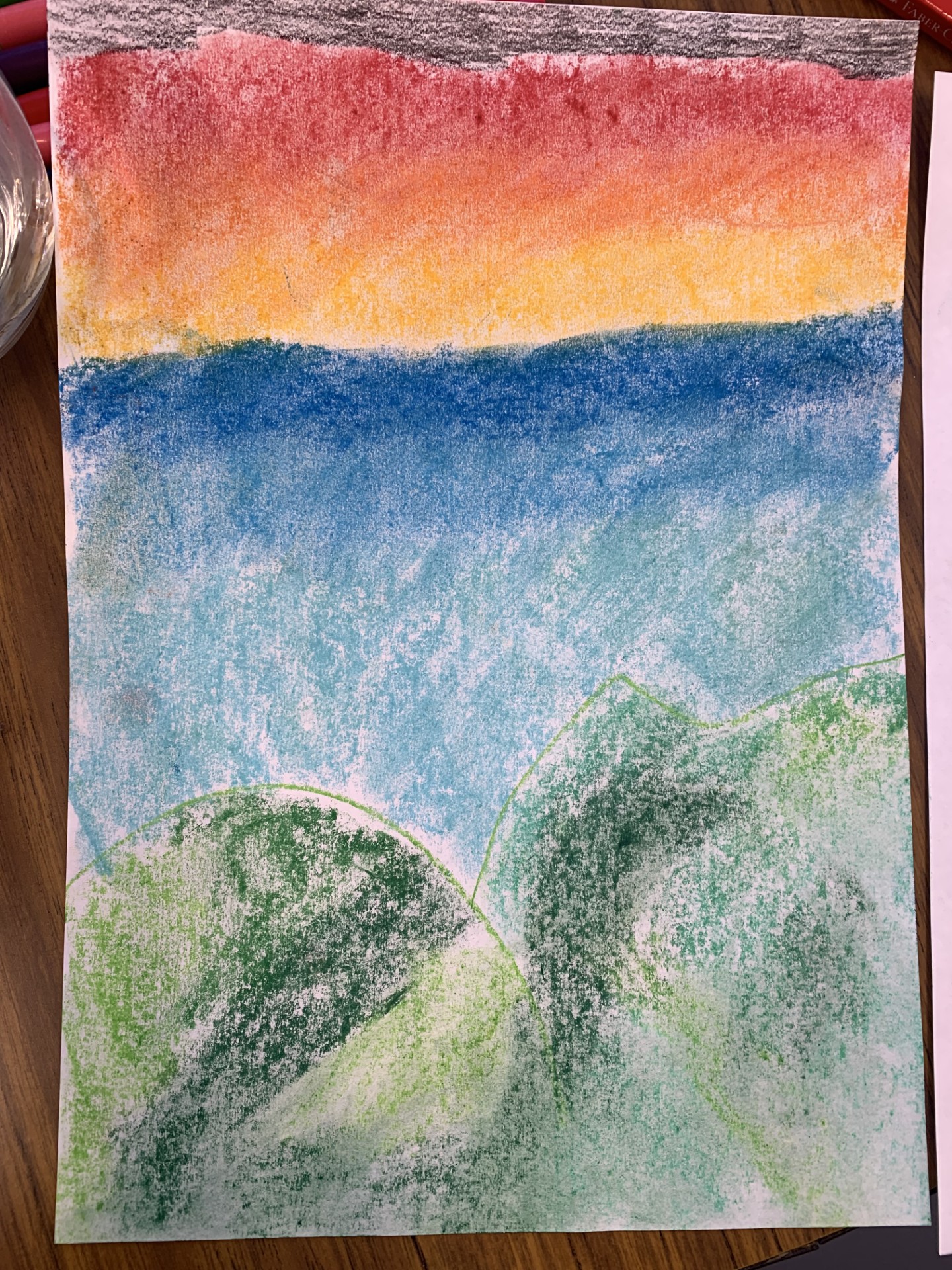
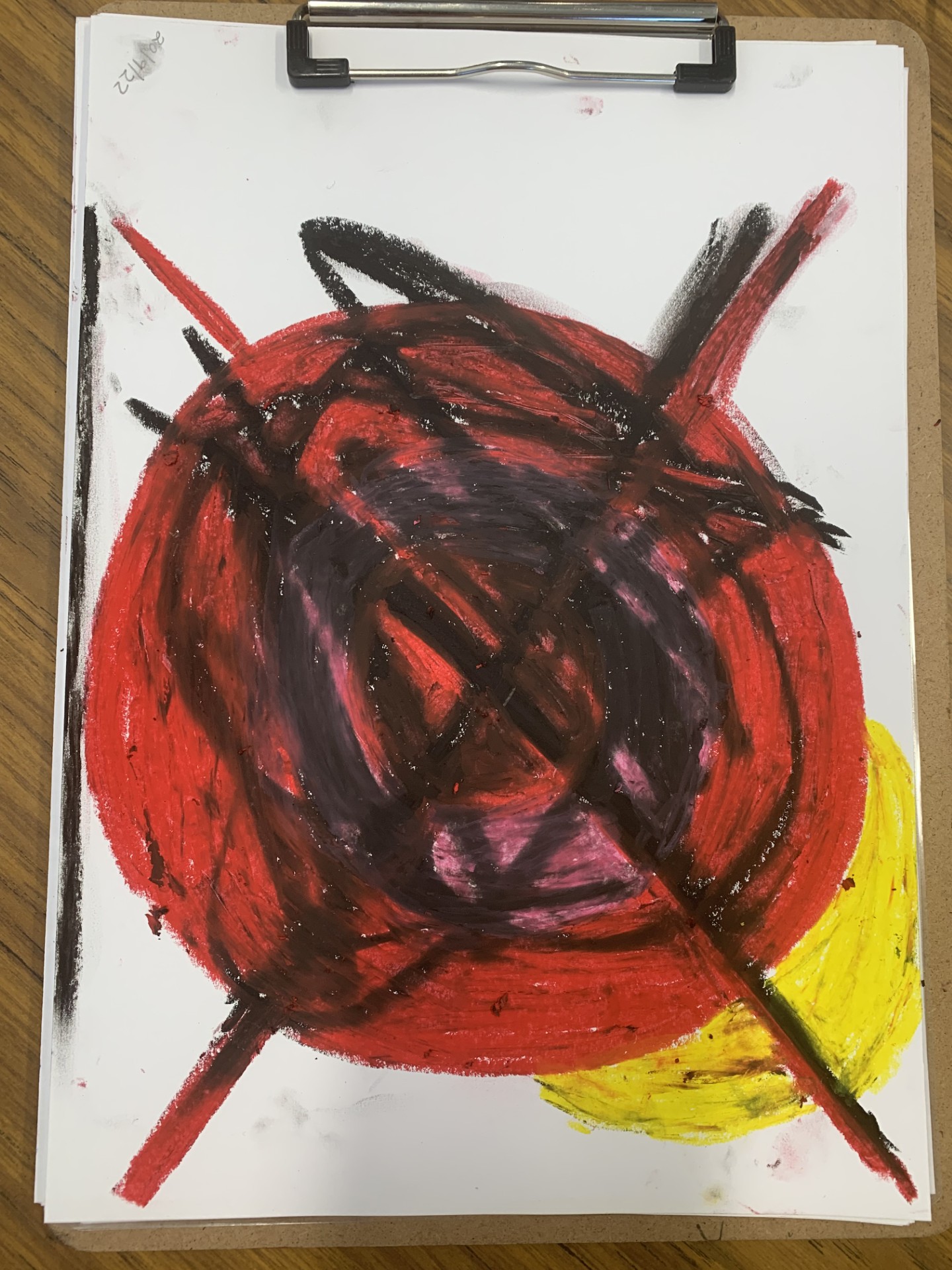
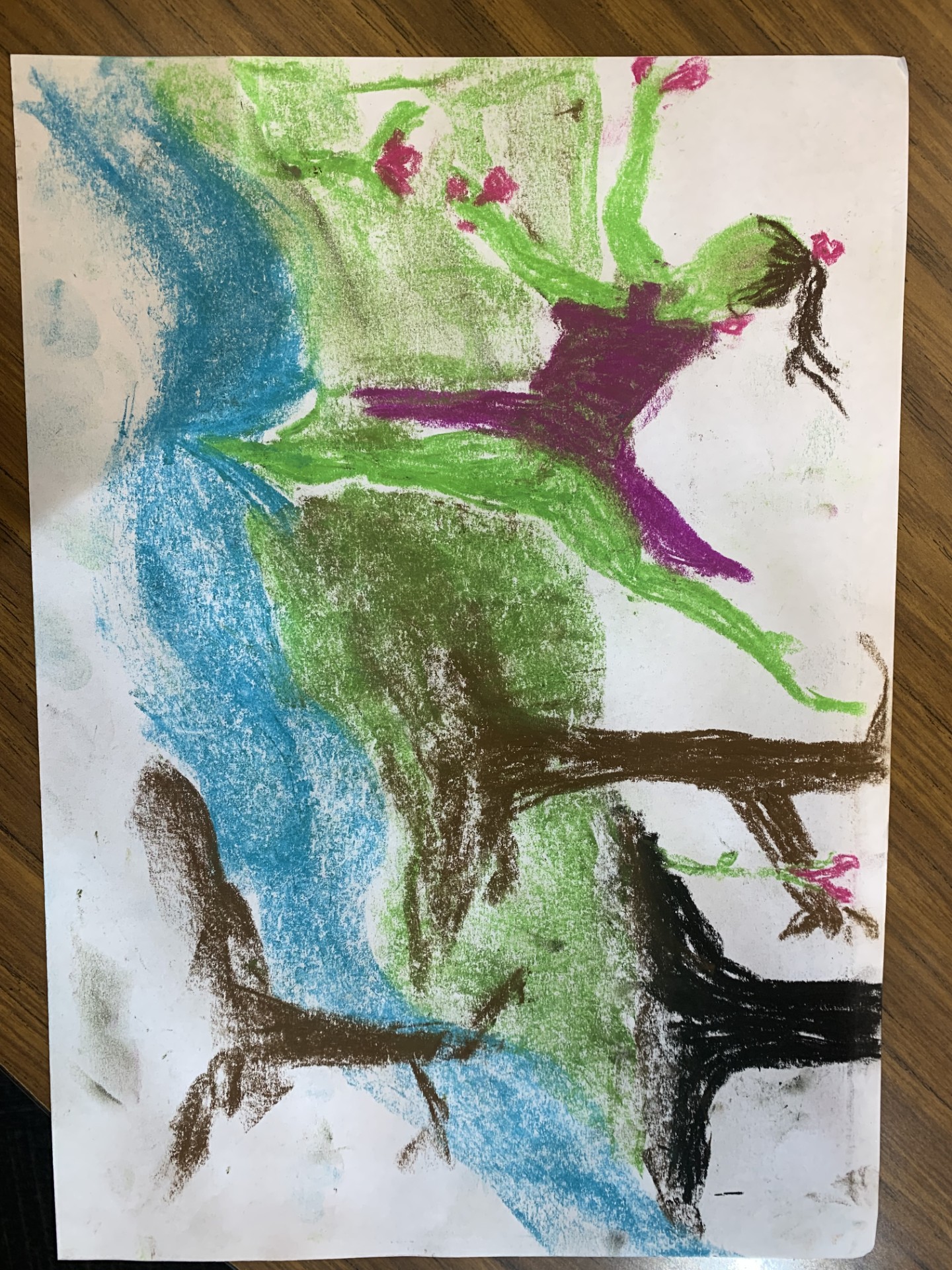
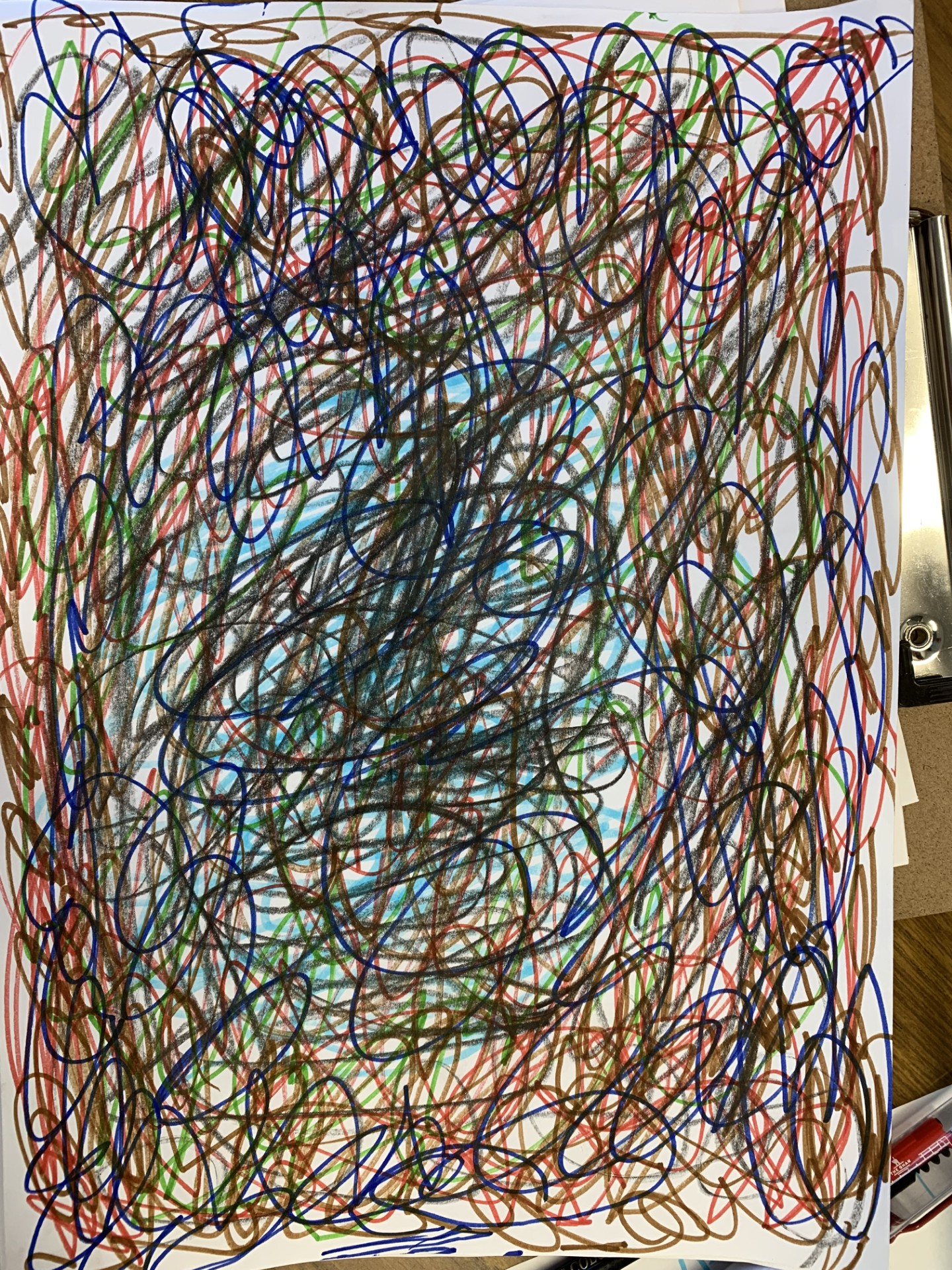
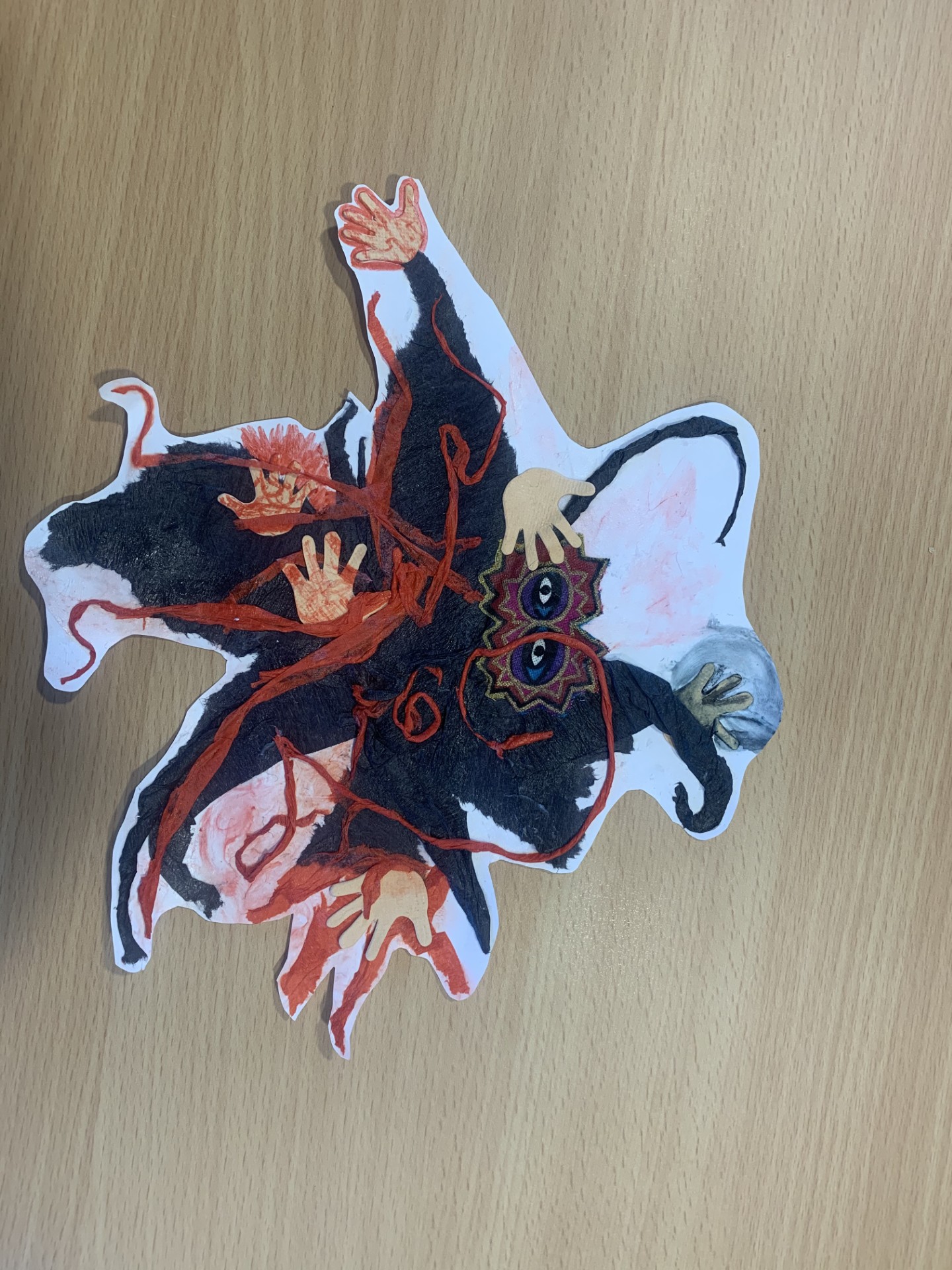
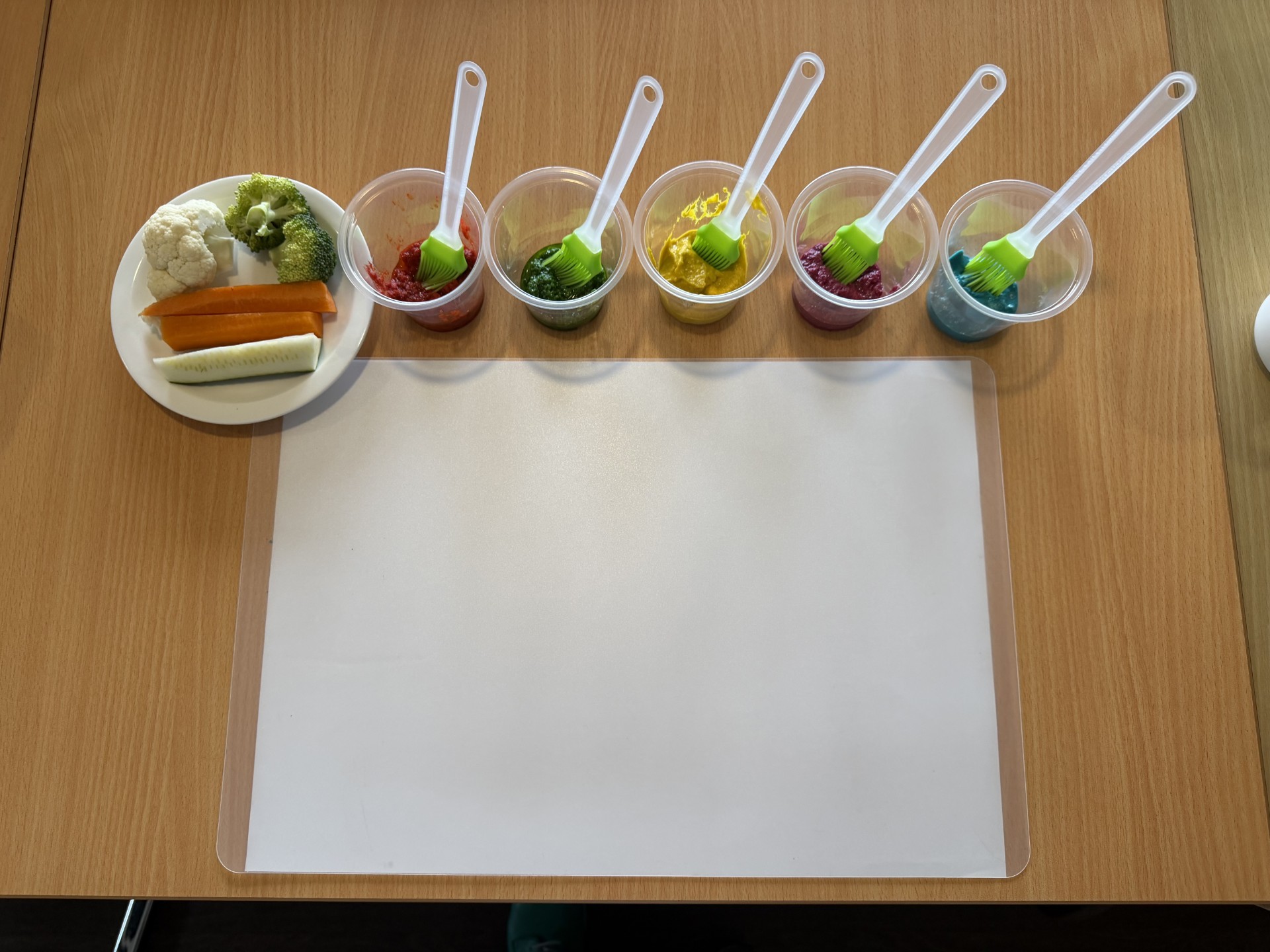

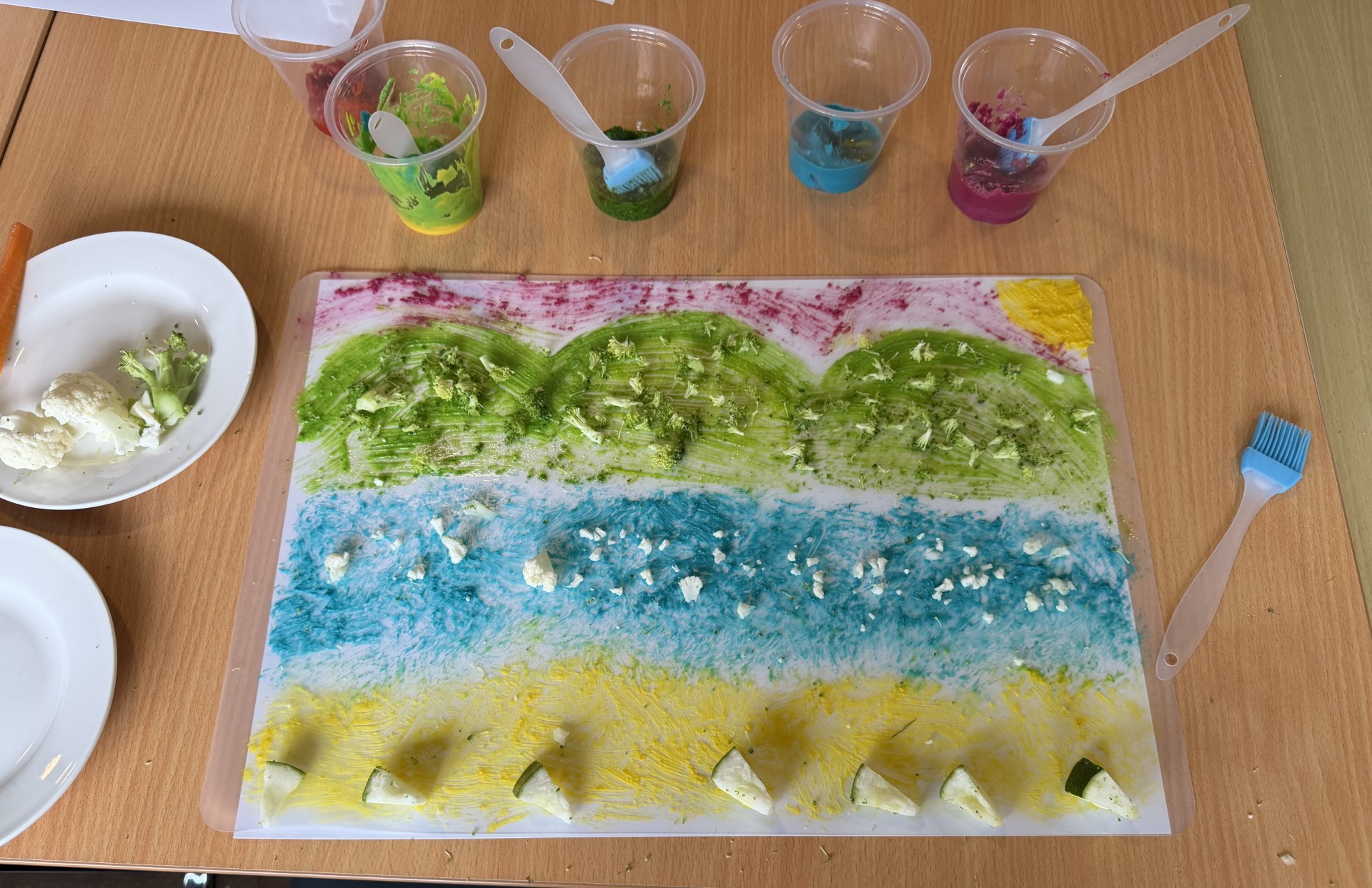
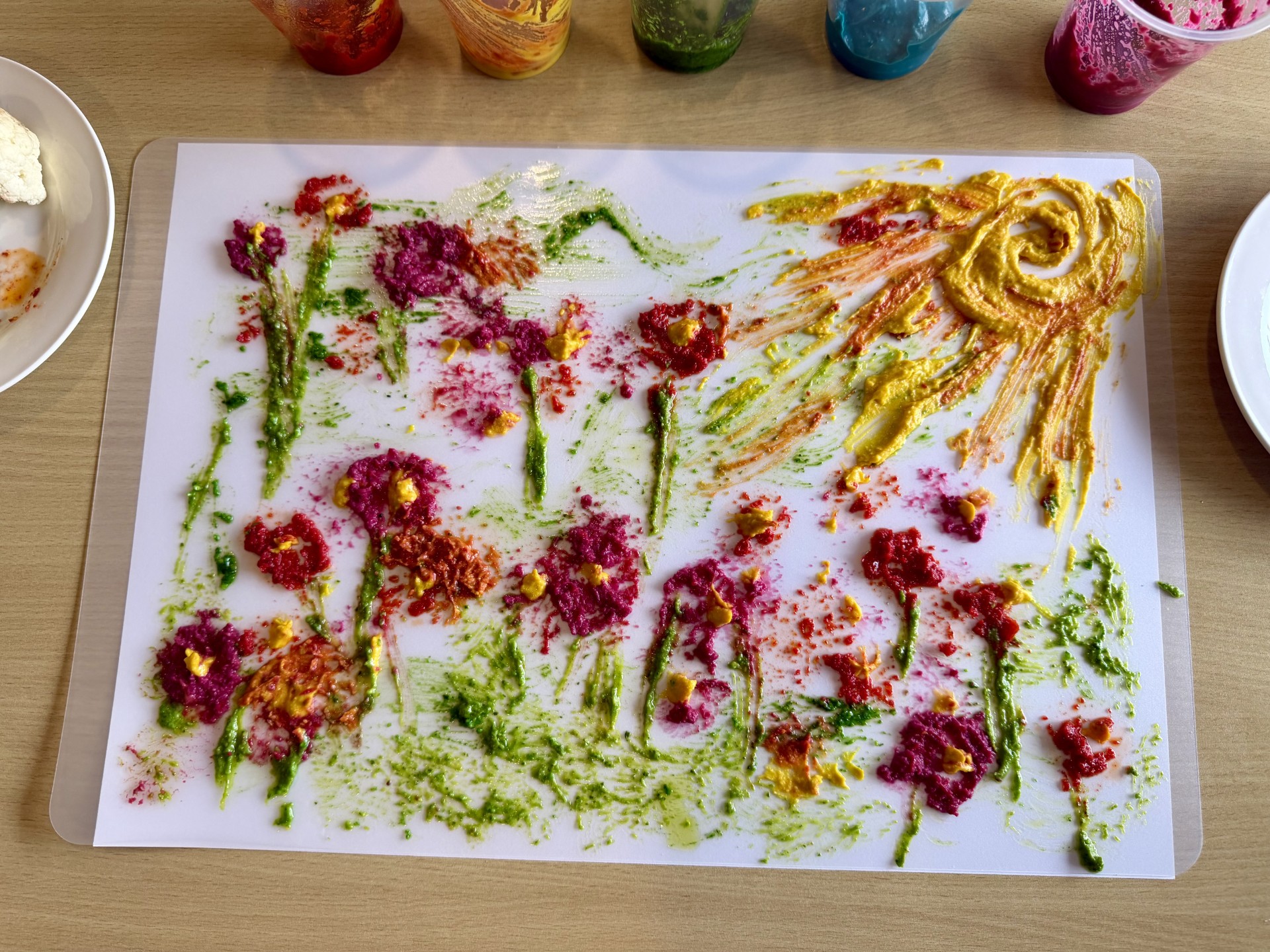
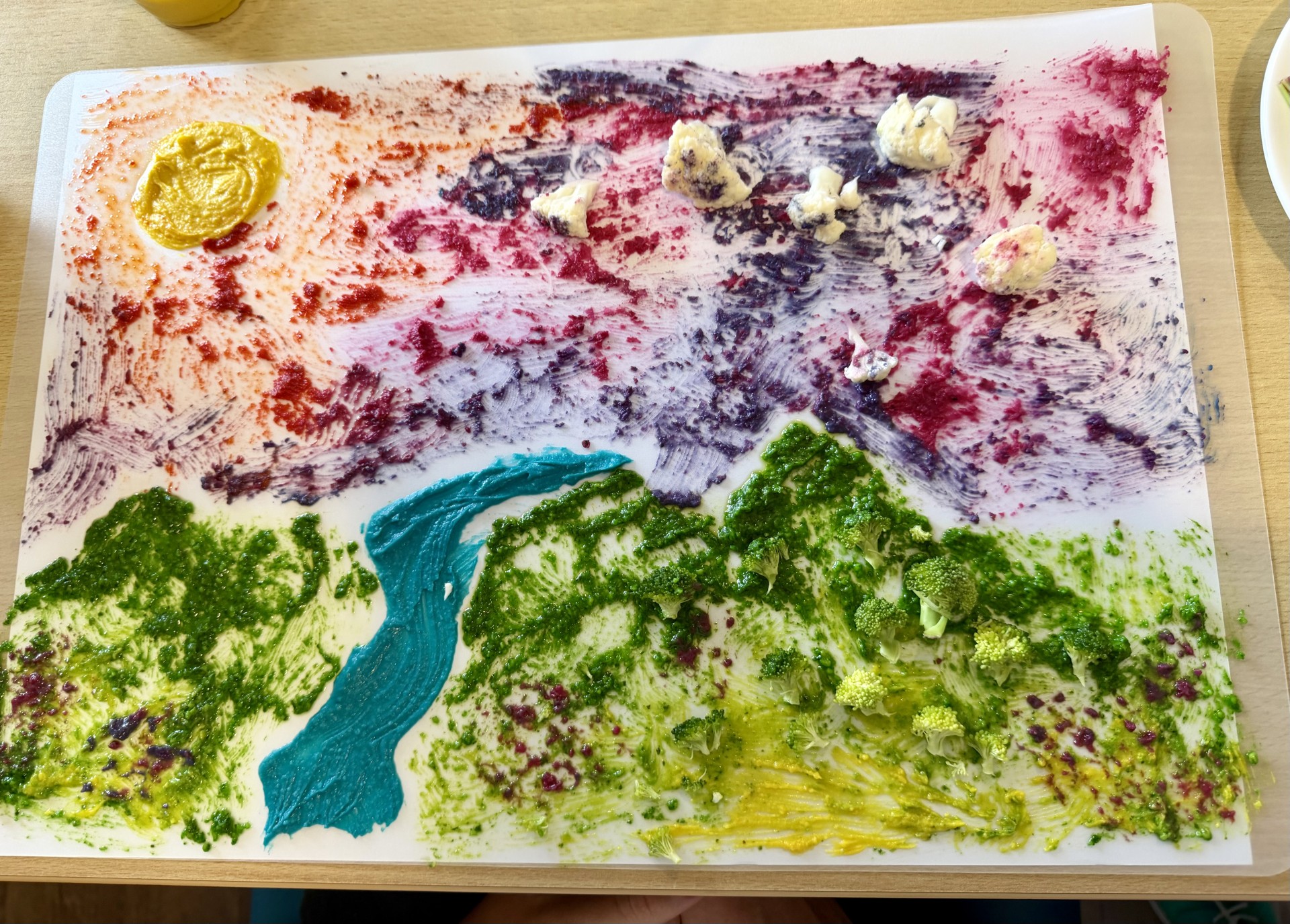
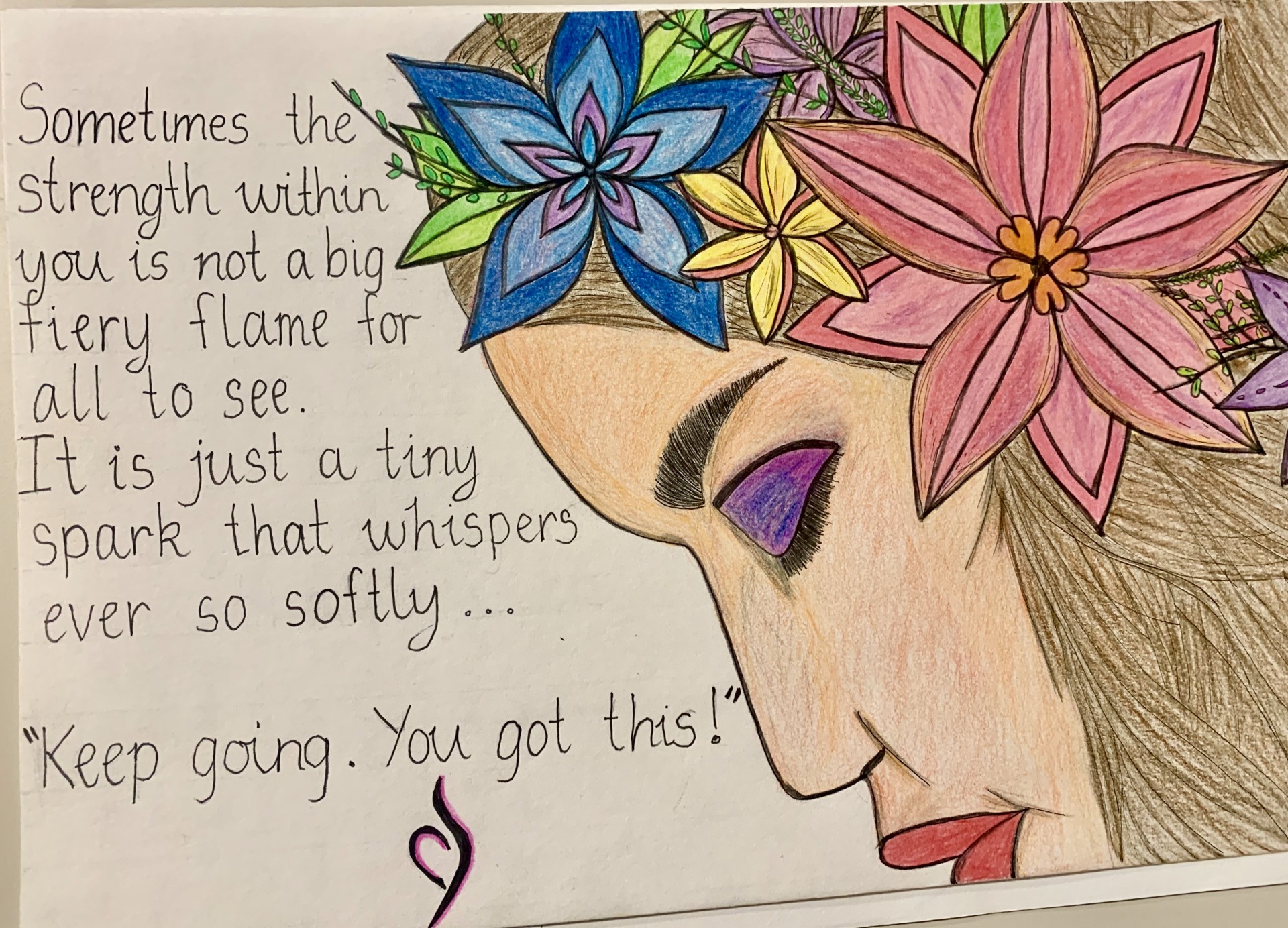
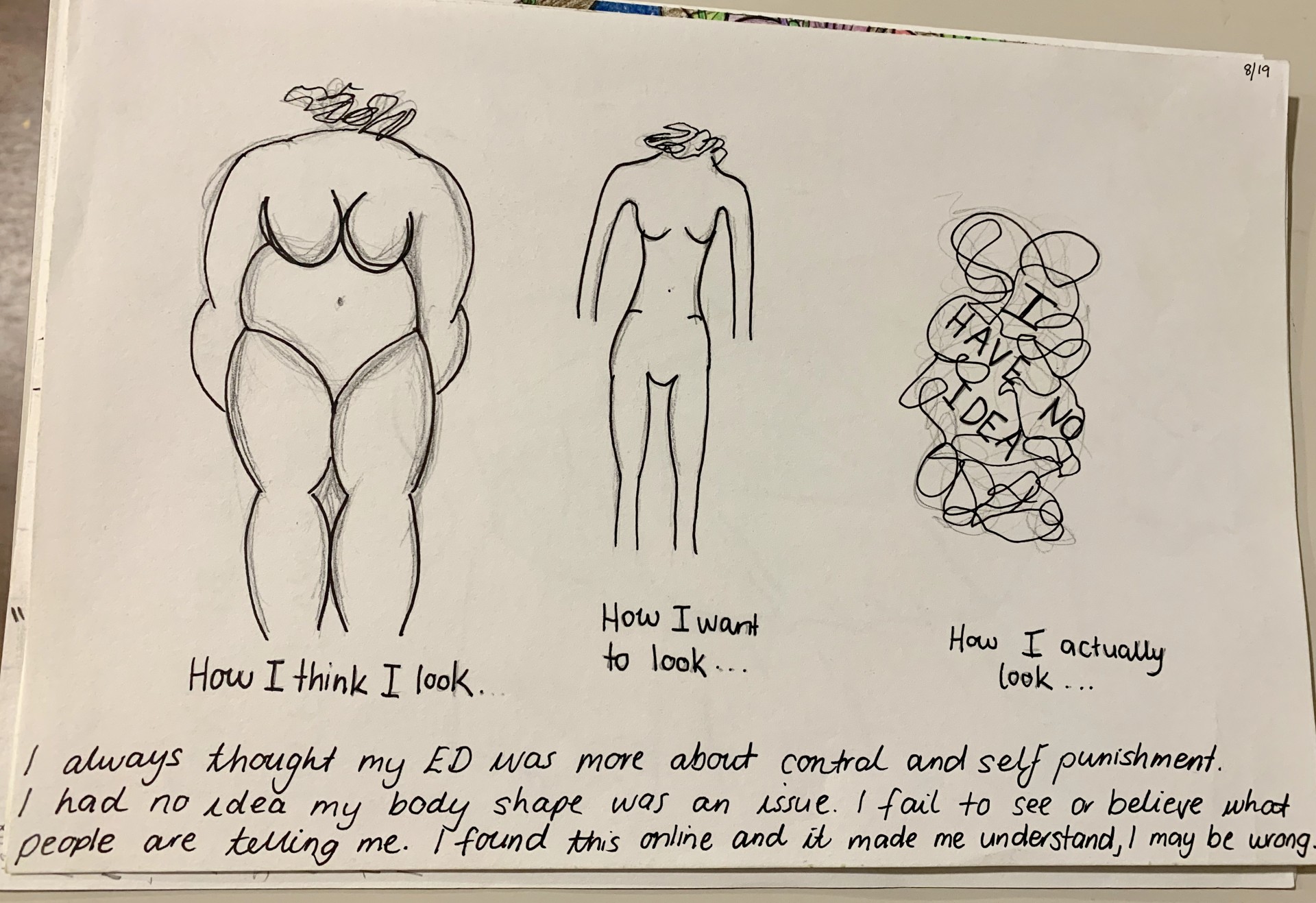
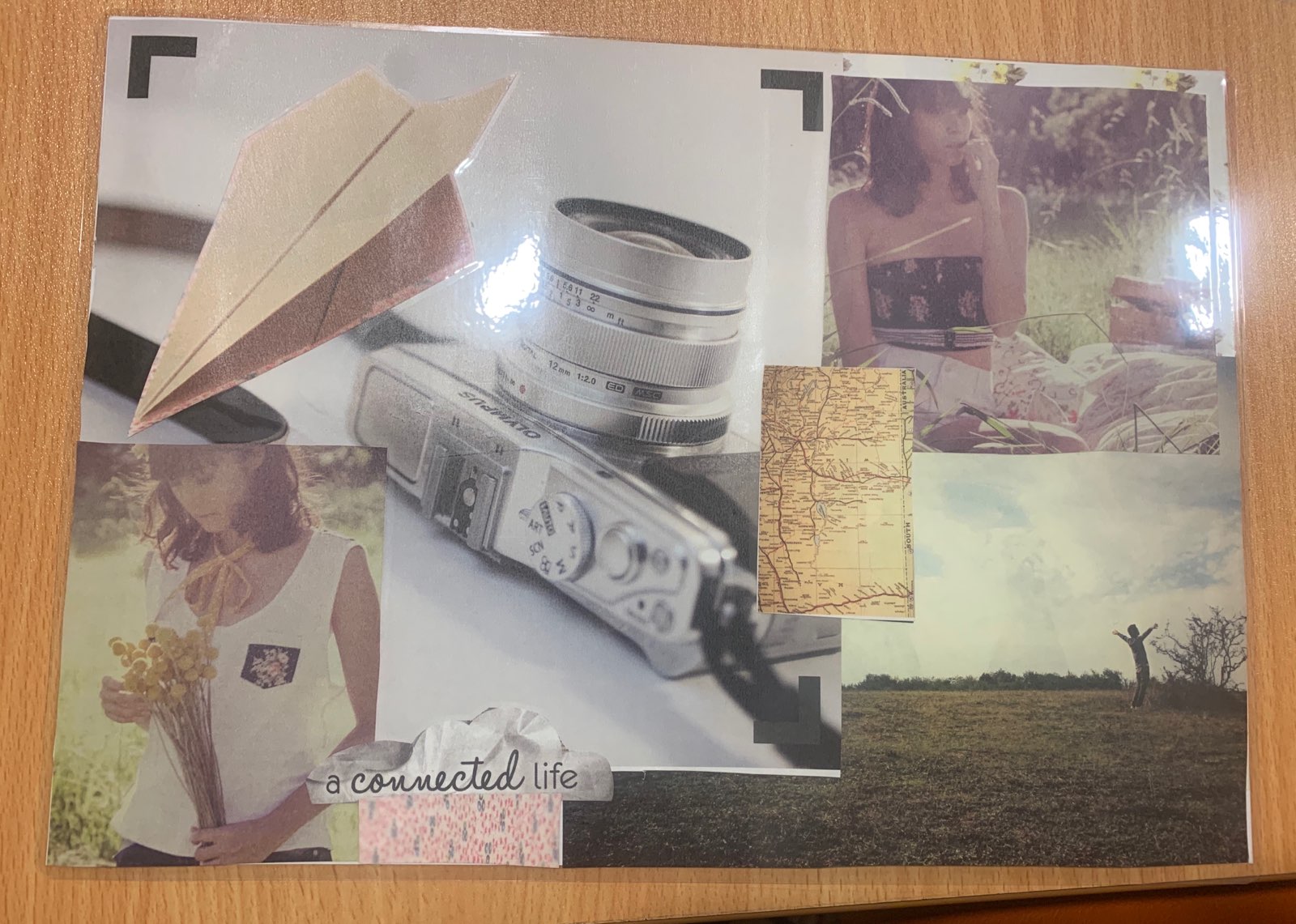
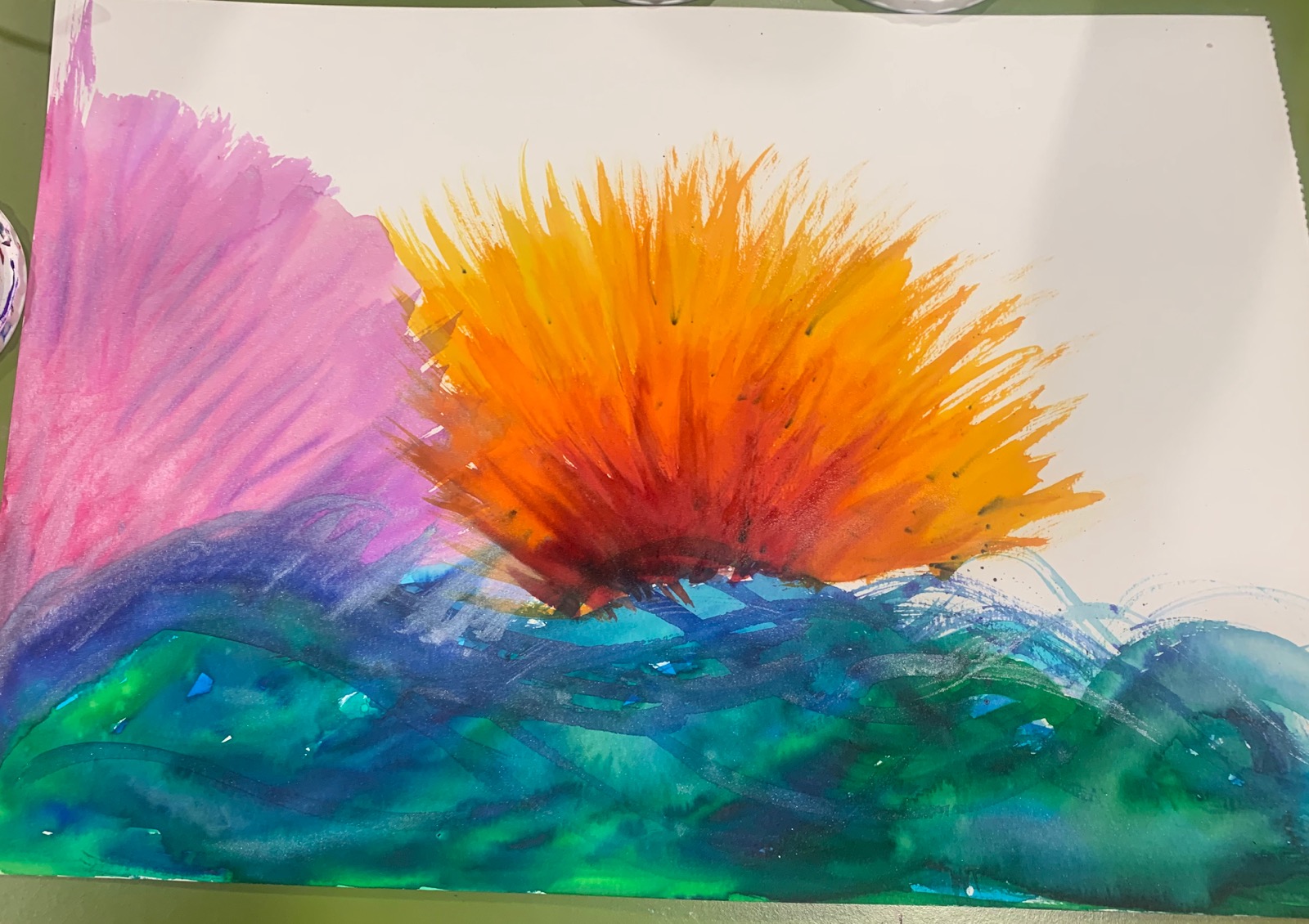
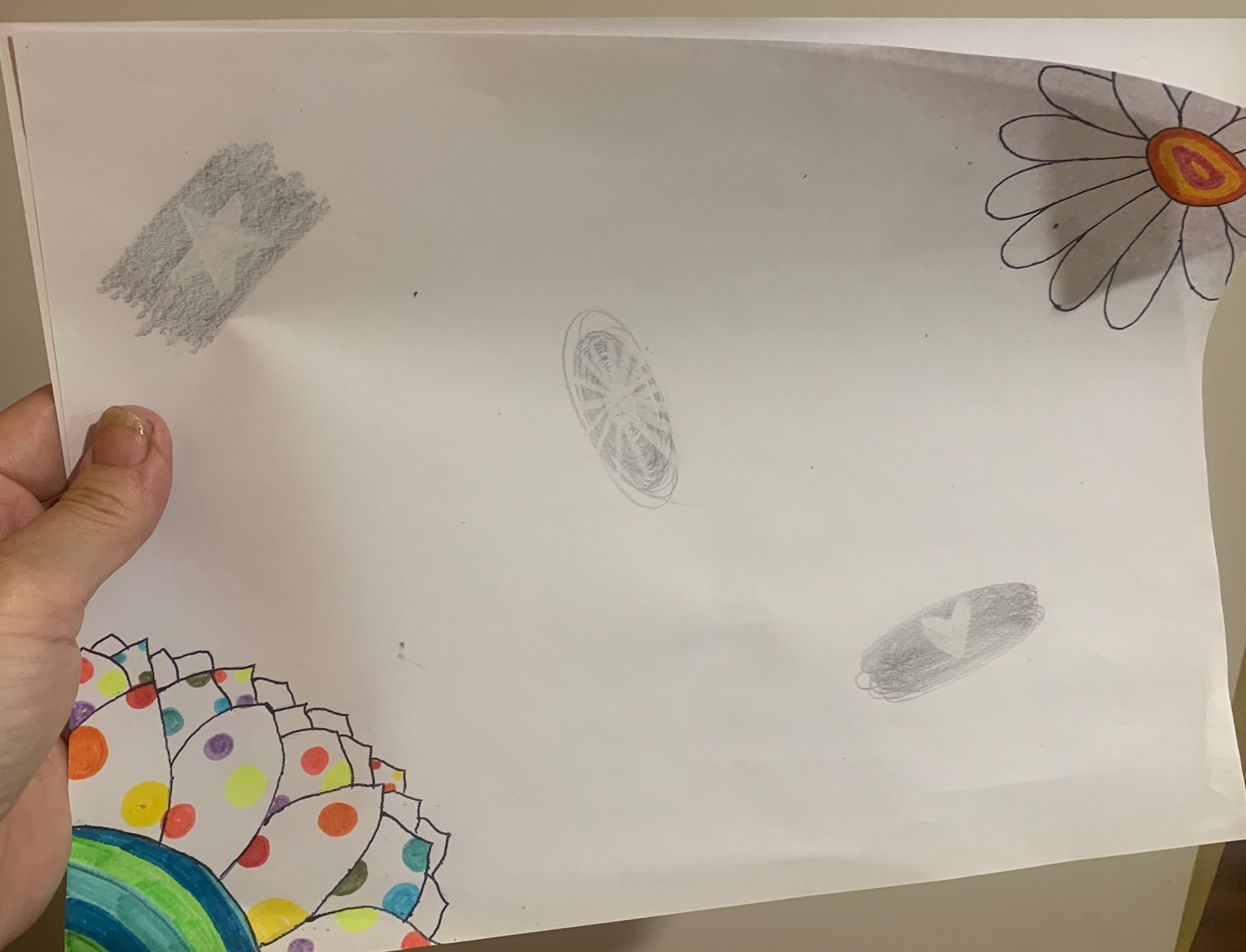

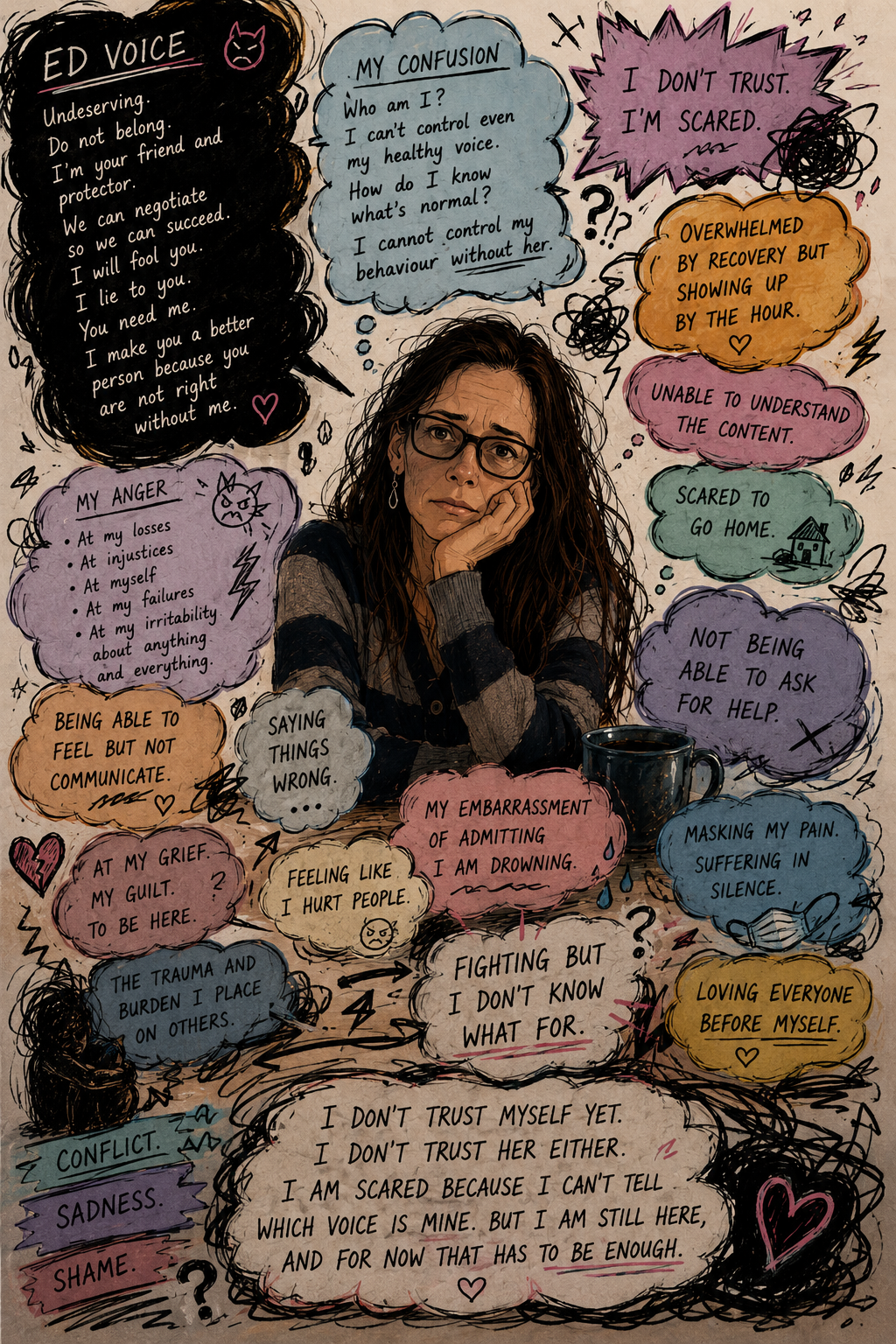
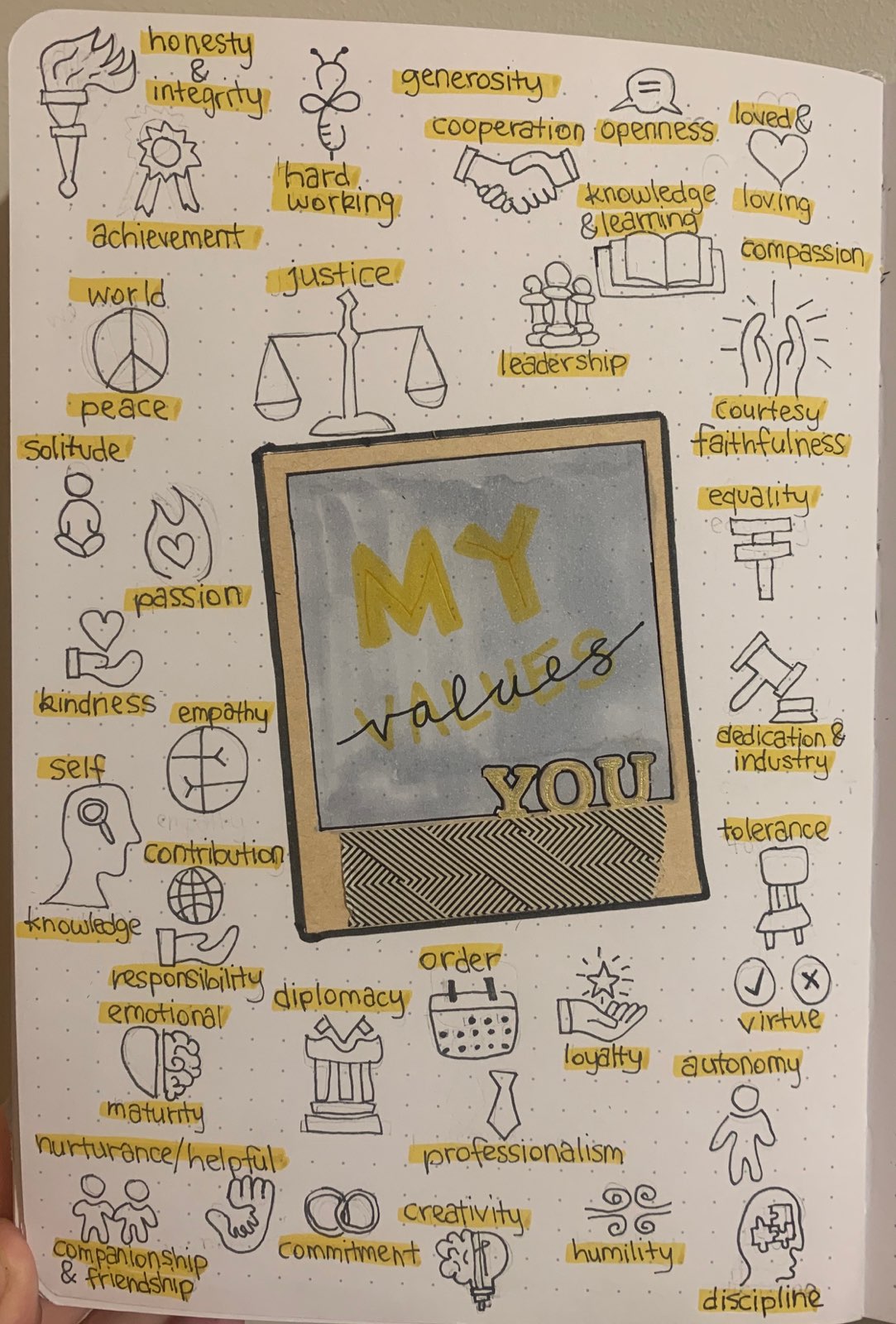
At Robina Private Hospital, our Eating Disorder Team is committed not only to delivering high-quality, multidisciplinary care—but also to advancing the evidence base that underpins it.
We’re proud to highlight a recently published study led by members of our team, which explores an innovative approach to supporting emotional wellbeing in individuals undergoing treatment for eating disorders.
About the study
Published in Art Therapy: Journal of the American Art Therapy Association, the study investigates the feasibility and impact of a single-day intensive art therapy workshop delivered within a hospital-based eating disorder service.
Eating disorders are often associated with challenges such as:
- Difficulty identifying and expressing emotions (alexithymia)
- High levels of distress
- Mood disturbances
These factors can complicate recovery and limit engagement in traditional, verbally focused therapies.
This study set out to explore whether a structured, time-limited art therapy intervention could offer a meaningful and accessible way to support emotional processing within treatment.
What the workshop involved
The intervention was delivered as a manualised, one-day group program to both inpatient and outpatient participants within the Robina Private Hospital Eating Disorder Service.
The workshop included two structured art therapy directives:
1. Connecting Colour to Emotions
Participants explored how colours, lines, and creative expression could represent emotional states—helping to externalise and better understand internal experiences.
2. Transformational Self-Portrait
Participants created representations of their past, present, and future selves, supporting reflection, identity exploration, and hope for change.
These activities were combined with guided reflection and discussion, creating a safe, supported environment for emotional exploration.
Key findings
The study demonstrated several important outcomes:
Strong feasibility and engagement
- High completion rates
- Positive participant feedback
- Successful integration into both inpatient and outpatient programs.
Improved emotional state (short-term)
- Significant reductions in subjective distress
- Significant reductions in overall mood disturbance following the workshop.p
No immediate change in alexithymia
- As a more stable, trait-based difficulty, alexithymia did not significantly shift after a single-session intervention—highlighting the need for ongoing therapeutic work.
Why this research matters
This study provides valuable early evidence that brief, structured art therapy interventions can play a meaningful role within eating disorder treatment.
For many individuals, particularly those who struggle to articulate emotions, art therapy offers:
- A non-verbal pathway to expression
- A way to safely engage with difficult internal experiences
- An opportunity to feel more connected, understood, and “unstuck”
Participants described the workshop as calming, insightful, and supportive—reinforcing the importance of including creative, embodied therapies alongside traditional treatments.
Supporting innovation in care
Importantly, this research reflects the strength of the multidisciplinary model at Robina Private Hospital. The study was designed and delivered by clinicians within the service, demonstrating how clinical expertise, research, and patient care are deeply interconnected.
While further research is needed, particularly with larger samples and controlled designs, these findings highlight the potential of low-burden, high-impact interventions that can be integrated into existing treatment programs.
Looking ahead
At Robina Private Hospital, we remain focused on expanding how specialist eating disorder care can be delivered—ensuring more people can access the support they need, at the right time, in the right format.
An important step forward is the introduction of Aurora Cloud Clinic’s Virtual Eating Disorder Day Programs, which bring structured, evidence-based treatment into the home.
These programs are designed for individuals who need more support than standard outpatient care, but who may not be able to attend a hospital-based program. Delivered live via secure video, they offer real-time, clinician-led therapy with the same multidisciplinary approach used across Aurora’s hospital network.
Two key programs include:
Eating Disorder Virtual Day Program – Finding Your Path
Designed for individuals with severe and enduring eating disorders, this program focuses on improving quality of life and building sustainable coping strategies. Over several weeks, participants engage in therapies such as CBT, DBT, creative art therapy, dietetics and exercise physiology—supporting emotional regulation, self-compassion and meaningful behaviour change.
Binge Eating Disorder Virtual Program – Beyond the Cycle
This group program supports individuals to better understand the drivers of binge eating behaviours in a safe, structured environment. It combines therapeutic insight with practical strategies, helping participants develop a more compassionate and informed relationship with food and their body.
Importantly, these programs reflect the same philosophy highlighted in this research

Newsroom
Follow us
Thanks!
You've successfully subscribed to our newsletter